Marinas & boat yards

Transient and full-time slip rentals that earn power revenue.

Your rental inventory already sits on copper. GridLynQ meters transient berths so every kilowatt is billed, and converts seasonal, annual and live-aboard slips into dispatchable capacity you get paid for between voyages.

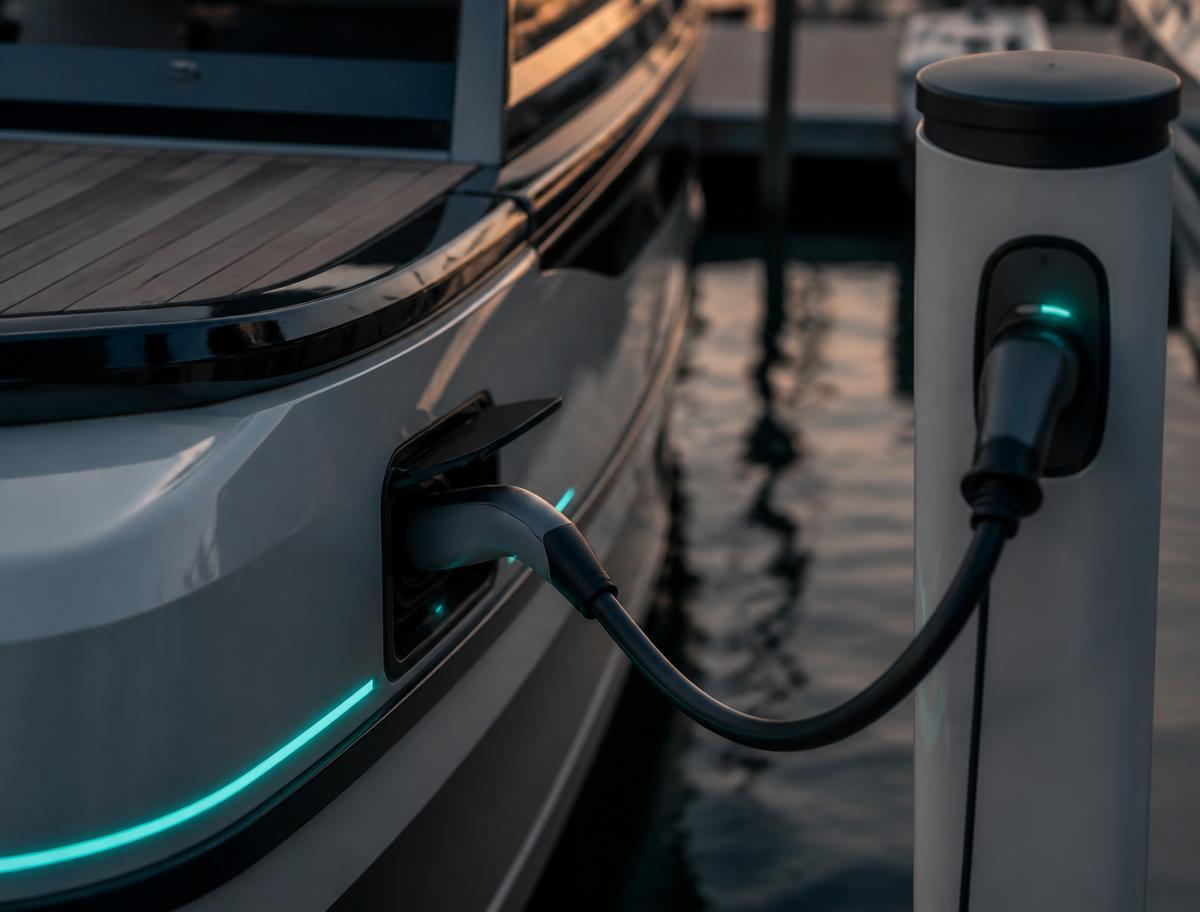
Boats in rental slips at a marina with lit shore-power pedestals along the dock

New revenue

A new revenue line from long-term slip capacity

100%

Share of shore power recovered once slips are submetered

0 CapEx

Revenue-share deployments available for qualifying marinas

By rental type

Transient berths, full-season slips and storage bays each build differently.

Dwell time decides the design. Short stays are a metering and billing problem; long stays are a capacity asset. Most marinas run both, so we phase the build accordingly.

Transient rentals

Transient and overnight slips

Boats arrive for a night or a weekend, plug in, and leave. The value here is accurate billing and charging you can advertise at reservation time.

Rental profile

Typical dwell
1–5 nights, heavy Friday–Sunday churn
Pedestal mix
30A/50A single- and split-phase, some 100A on large-boat piers
Primary return
Metered shore-power and charging revenue

What we install

  • Per-slip submetering so shore power is billed to the stay, not absorbed into the dock rate
  • Managed charging that spreads afternoon arrival peaks across the pier
  • Reservation-linked folio billing through your existing marina management system
  • Public availability data for electric and hybrid boaters shopping for a transient berth

Transient piers usually pay for themselves on recovered electricity and higher weekend occupancy before any grid revenue is counted.

Full-time rentals

Seasonal, annual and live-aboard slips

Full-season and year-round tenants keep a battery on your dock for months. That is the predictable, enrollable capacity a marina actually owns.

Rental profile

Typical dwell
Full season to year-round, including live-aboards
Pedestal mix
50A/100A service, often already near feeder capacity
Primary return
Grid programs, demand savings and resilience

What we install

  • Bidirectional V2G-ready pedestals on the long-term piers first
  • Load management that protects your existing service as tenants electrify
  • Enrollment in utility demand response and capacity programs for connected vessels
  • Tenant agreements with opt-in dispatch windows and a share of program revenue

Full-time slips are almost always phase one: dwell time is long enough for a utility to count the capacity.

Mixed inventory

Yard, rack and winter-storage rentals

Boat yards rent space by the season on hard stands and racks. Those bays hold vessels — and batteries — through the quietest, highest-value grid months.

Rental profile

Typical dwell
Six to eight months of winter and haul-out storage
Pedestal mix
Yard drops, rack-aisle circuits and service-bay power
Primary return
Off-season revenue on otherwise idle electrical capacity

What we install

  • Rack-aisle and hard-stand circuits sized for trickle and managed charging
  • Winter-season dispatch that earns while the yard is quiet
  • Service-bay power for repowers, sea trials and delivery charging
  • Reporting that separates storage-tenant energy from yard operations

Storage inventory turns the shoulder season into the strongest dispatch window on the property.

Before you book a call

Is your dock ready?

Five questions on slip count, service and timing. You get an answer on this page.

Should you request a site assessment?

0/5 answered

Five quick questions. No contact details needed — you get an answer on this page.

1. What kind of property do you run?
2. How many slips, sites, or units are on the property?
3. What does your electrical service look like today?
4. Do you control decisions about the property?
5. When would you want power work to happen?

Answer all five questions to see whether an assessment makes sense.

Dock assessment

Price your slip inventory.

Send your transient and seasonal slip counts, pedestal amperage and service size. We come back with a phased plan and the revenue each pier can carry.

Get a V2G assessment for your site

Marinas, boat yards and campgrounds: tell us where you are and what you run. We map storage-slip capacity, pedestal upgrades and grid revenue for your specific site type.

Get started

Find out what V2G is worth at your property

Marinas, boat yards, and campgrounds: take the 2-minute eligibility quiz and get a tailored V2G plan with equipment, revenue, and interconnection steps.

No GridLynQ block is energized yet. Every figure shown is a modelled profile of a candidate site's conditions — speculative, not measured, and not a quote or a guarantee of results.

No GridLynQ block is energized yet. Every figure shown is a modelled profile of a candidate site's conditions — speculative, not measured, and not a quote or a guarantee of results.